
Home/South Estonian scarf
+ Näita rohkem
  •  Dimensions 145 x 200 cm

    70% cotton, 30% flax


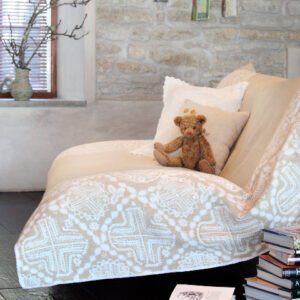
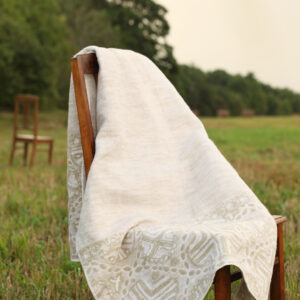
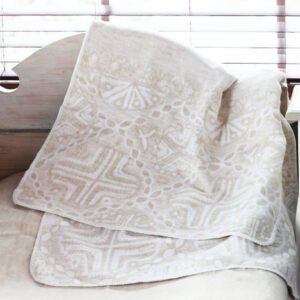
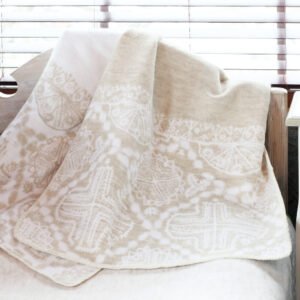
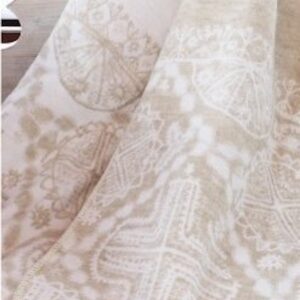
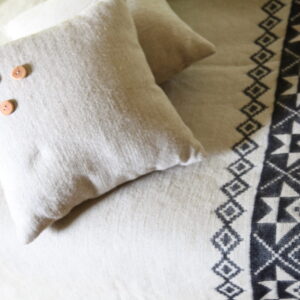
    In South Estonia the embroidery was rather modest. Using yarns of different colours, white, brown, red, green, blue i.e. became more common. Colourful stripes woven in the fabric and combinations of stitches were the main ways to decorate the shawls.
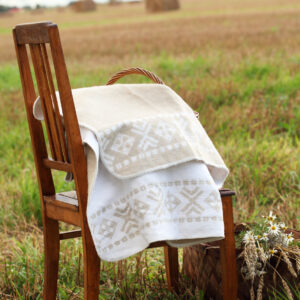
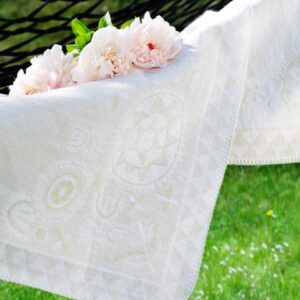
    South Estonian shawl has been inspired by the pattern of the Tartu folk costume shirt. Tartu shawl has been decorated with an eight-branch star that is surrounded with zigzag line consisting of squares.

  • Halliste wrap

    45.00 
  • Halliste wrap

    20.00 
  • Dimensions 66 x 180 cm

    70% cotton, 30% flax


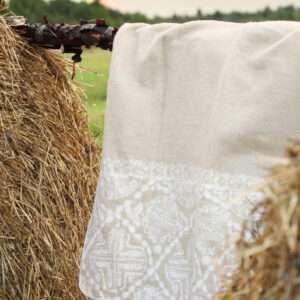
    In South Estonia, festive woollen rectangle wrap, worn across one’s shoulders, was the most respectable garment. In Põltsamaa, even on the 19th century oblong woollen shawls were worn. White shawl was decorated by using archaic techniques and patterns that had a deep meaning. South Estonian scarf is inspired by the shoulder piece of the Põltsamaa shirt where the pattern has been built up to form an ornament of diagonal cross and a quadrangle. That, in fact, is one of the oldest principles of composition. One of the characteristics of South Estonian handicraft is geometrical embroidery common in the late 18th century. White linen yarn was often used for that. Wrap had a specific role in the Jõgeva County wedding customs. When the bride was brought into the home of the bridegroom, her mother-in-law tied the wrap around the bride's head, covering the eyes as well.

  • Kambja wrap

    42.00 

    Dimensions 70 x 200 cm

    100% cotton


  • Karksi sõba

    45.00 
  • Dimensions 80 x 180 cm

    70% cotton, 30% flax


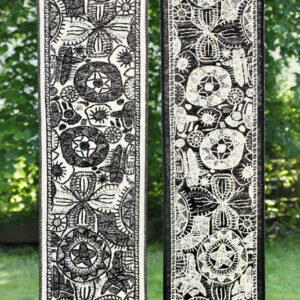
    In South Estonia, festive woollen rectangle wrap, worn across one’s shoulders, was the most respectable garment. In Paistu, even on the 19th century oblong woollen shawls were worn. White shawl was decorated by using archaic techniques and patterns that had a deep meaning. South Estonian scarf is inspired by Paistu apron, where cross (symbol of balance; possesses a protective meaning), circle (symbol of infinity, perfection and harmony) and thuja (symbol of conception and fertility) can be seen. Such shawls were only worn by adult women.
     

  • Dimensions 145 x 200 cm

    70% cotton, 30% flax


    In South Estonia, festive woollen rectangle wrap, worn across one’s shoulders, was the most respectable garment. In Paistu, even on the 19th century oblong woollen shawls were worn. White shawl was decorated by using archaic techniques and patterns that had a deep meaning. South Estonian scarf is inspired by Paistu apron, where cross (symbol of balance; possesses a protective meaning), circle (symbol of infinity, perfection and harmony) and thuja (symbol of conception and fertility) can be seen. Such shawls were only worn by adult women.

  • Dimensions 80 x 180 cm

    70% cotton, 30% flax


    In South Estonia, festive woollen rectangle wrap, worn across one’s shoulders, was the most respectable garment. In Paistu, even on the 19th century oblong woollen shawls were worn. White shawl was decorated by using archaic techniques and patterns that had a deep meaning. South Estonian scarf is inspired by Paistu apron, where cross (symbol of balance; possesses a protective meaning), circle (symbol of infinity, perfection and harmony) and thuja (symbol of conception and fertility) can be seen. Such shawls were only worn by adult women.


  • Dimensions 60 x 180 cm

    70% cotton, 30% flax


    In South Estonia, festive woollen rectangle wrap, worn across one’s shoulders, was the most respectable garment. In Paistu, even on the 19th century oblong woollen shawls were worn. White shawl was decorated by using archaic techniques and patterns that had a deep meaning. South Estonian scarf is inspired by Paistu apron, where cross (symbol of balance; possesses a protective meaning), circle (symbol of infinity, perfection and harmony) and thuja (symbol of conception and fertility) can be seen. Such shawls were only worn by adult women.


  • Dimensions 60 x 180 cm

    70% cotton, 30% flax


    In South Estonia, festive woollen rectangle wrap, worn across one’s shoulders, was the most respectable garment. In Paistu, even on the 19th century oblong woollen shawls were worn. White shawl was decorated by using archaic techniques and patterns that had a deep meaning. South Estonian scarf is inspired by Paistu apron, where cross (symbol of balance; possesses a protective meaning), circle (symbol of infinity, perfection and harmony) and thuja (symbol of conception and fertility) can be seen. Such shawls were only worn by adult women.
     

  • Dimensions 35x 180 cm 70% cotton, 30% flax   In South Estonia, festive woollen rectangle wrap, worn across one’s shoulders, was the most respectable garment. In Paistu, even on the 19th century oblong woollen shawls were worn. White shawl was decorated by using archaic techniques and patterns that had a deep meaning. South Estonian scarf is inspired by Paistu apron, where cross (symbol of balance; possesses a protective meaning), circle (symbol of infinity, perfection and harmony) and thuja (symbol of conception and fertility) can be seen. Such shawls were only worn by adult women.