
Home/Scarf of the West Estonian Islands
+ Näita rohkem
  •  Dimensions 35 x 180 cm

    70% cotton, 30% flax

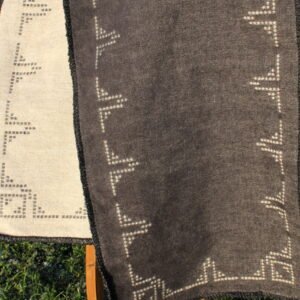
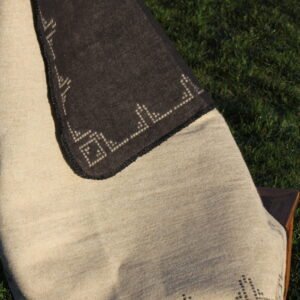
    Hiiumaa scarf is inspired by Pühalepa folk costumes. Pühalepa is an amazing place that also inspired the creator of the scarf, Magnus Lõppe from Hiiumaa. Shades of the shawl are taken from the oldest overall coat in Hiiumaa – long coat, sewn from sheep-brown woollen fabric. Long coat (“jäku” in Estonian) was very much loved in Hiiumaa. It was worn by both men and women.
  •  Dimensions 70 x 180 cm

    70% cotton, 30% flax

    Hiiumaa scarf is inspired by Pühalepa folk costumes. Pühalepa is an amazing place that also inspired the creator of the scarf, Magnus Lõppe from Hiiumaa. Shades of the shawl are taken from the oldest overall coat in Hiiumaa – long coat, sewn from sheep-brown woollen fabric. Long coat (“jäku” in Estonian) was very much loved in Hiiumaa. It was worn by both men and women.
  •  Dimensions 105 x 180 cm

    70% cotton, 30% flax

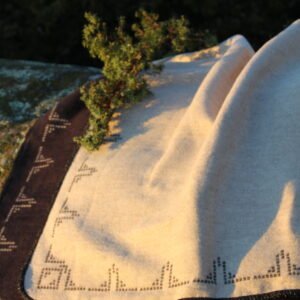
    Hiiumaa scarf is inspired by Pühalepa folk costumes. Pühalepa is an amazing place that also inspired the creator of the scarf, Magnus Lõppe from Hiiumaa. Shades of the shawl are taken from the oldest overall coat in Hiiumaa – long coat, sewn from sheep-brown woollen fabric. Long coat (“jäku” in Estonian) was very much loved in Hiiumaa. It was worn by both men and women.
  • Muhu plaid

    59.00 

    Dimensions 140 x 200 cm


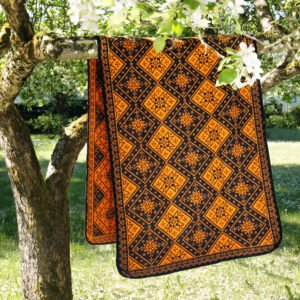
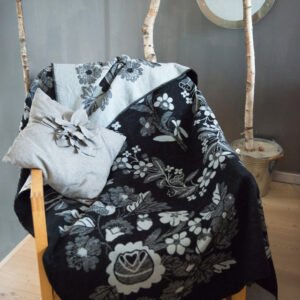
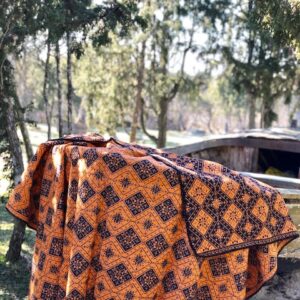
    In Muhu, unlike many other places, wrap and plaid were distinguished - wrap was bigger. Plaid was also being worn across one’s shoulders in this area. Embroidering of plaids was started before the I World War. These plaids were made by professional embroiderers. Embroidery of Muhu is peculiar and characteristic of the people of Muhu Island. The embroidery is divided into two major groups: geometric and plant pattern.The most typical, most used and the oldest geometric pattern motif is closed into an orderly octagon. This motif, that was called Muhu Whisk and was believed to be a sign of luck and rebirth, was often used on woollen plaids.You can see the whisk pattern motif on MUHU scarf.

  • Dimensions 140 x 200 cm 70% cotton, 30% flax In Muhu, unlike many other places, wrap and plaid were distinguished - wrap was bigger. Plaid was also being worn across one’s shoulders in this area. Embroidering of plaids was started before the I World War. These plaids were made by professional embroiderers. Embroidery of Muhu is peculiar and characteristic of the people of Muhu Island. The embroidery is divided into two major groups: geometric and plant pattern.The most typical, most used and the oldest geometric pattern motif is closed into an orderly octagon. This motif, that was called Muhu Whisk and was believed to be a sign of luck and rebirth, was often used on woollen plaids.You can see the whisk pattern motif on MUHU scarf.
  • Dimensions 140 x 200 cm 70% cotton, 30% flax In Muhu, unlike many other places, wrap and plaid were distinguished - wrap was bigger. Plaid was also being worn across one’s shoulders in this area. Embroidering of plaids was started before the I World War. These plaids were made by professional embroiderers. Embroidery of Muhu is peculiar and characteristic of the people of Muhu Island. The embroidery is divided into two major groups: geometric and plant pattern.The most typical, most used and the oldest geometric pattern motif is closed into an orderly octagon. This motif, that was called Muhu Whisk and was believed to be a sign of luck and rebirth, was often used on woollen plaids.You can see the whisk pattern motif on MUHU scarf.
  • Dimensions 140 x 200 cm 70% cotton, 30% flax In Muhu, unlike many other places, wrap and plaid were distinguished - wrap was bigger. Plaid was also being worn across one’s shoulders in this area. Embroidering of plaids was started before the I World War. These plaids were made by professional embroiderers. Embroidery of Muhu is peculiar and characteristic of the people of Muhu Island. The embroidery is divided into two major groups: geometric and plant pattern.The most typical, most used and the oldest geometric pattern motif is closed into an orderly octagon. This motif, that was called Muhu Whisk and was believed to be a sign of luck and rebirth, was often used on woollen plaids.You can see the whisk pattern motif on MUHU scarf.
  • Plaid of Muhu

    42.00 

    Dimensions 70 x 200 cm


    In Muhu, unlike many other places, wrap and plaid were distinguished - wrap was bigger. Plaid was also being worn across one’s shoulders in this area. Embroidering of plaids was started before the I World War. These plaids were made by professional embroiderers. Embroidery of Muhu is peculiar and characteristic of the people of Muhu Island. The embroidery is divided into two major groups: geometric and plant pattern.The most typical, most used and the oldest geometric pattern motif is closed into an orderly octagon. This motif, that was called Muhu Whisk and was believed to be a sign of luck and rebirth, was often used on woollen plaids.You can see the whisk pattern motif on MUHU scarf.

  • Dimensions 140 x 200 cm

    100% cotton

    In Muhu, unlike many other places, wrap and plaid were distinguished - wrap was bigger. Plaid was also being worn across one’s shoulders in this area. Embroidering of plaids was started before the I World War. These plaids were made by professional embroiderers. Embroidery of Muhu is peculiar and characteristic of the people of Muhu Island. The embroidery is divided into two major groups: geometric and plant pattern.The most typical, most used and the oldest geometric pattern motif is closed into an orderly octagon. This motif, that was called Muhu Whisk and was believed to be a sign of luck and rebirth, was often used on woollen plaids.You can see the whisk pattern motif on MUHU scarf.

  • Dimensions 140 x 165 cm

    100% cotton

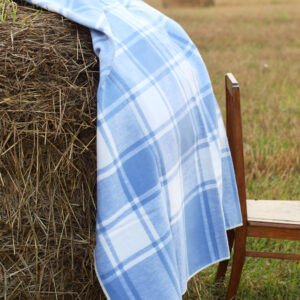
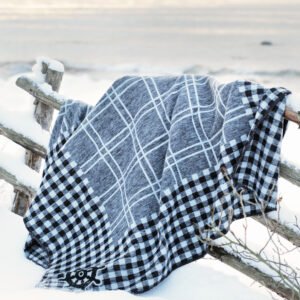
    In Kihelkonna, until the mid-19th century – woollen blue and white tartan plaid persisted as a traditional shawl. Blue symbolized the sky and thinking. Checked wrap was worn across one’s shoulder. In the end of the 19th century plaids with bigger pattern were start being made. Wider plaid fabrics were start being woven and were sown together from two widths. Woven checked plaids were shrunk so that they would last several generations.