-
-
-
Dimensions 35 x 180 cm
70% cotton, 30% flax
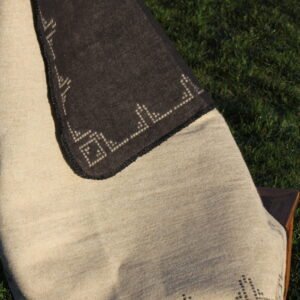
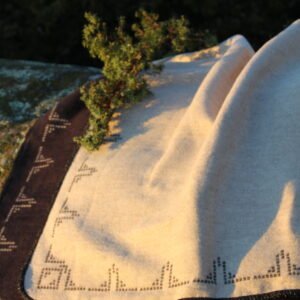
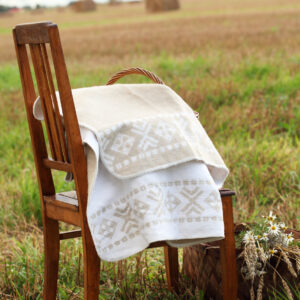
Hiiumaa scarf is inspired by Pühalepa folk costumes. Pühalepa is an amazing place that also inspired the creator of the scarf, Magnus Lõppe from Hiiumaa. Shades of the shawl are taken from the oldest overall coat in Hiiumaa – long coat, sewn from sheep-brown woollen fabric. Long coat (“jäku” in Estonian) was very much loved in Hiiumaa. It was worn by both men and women.
-
-
Dimensions 70 x 180 cm
70% cotton, 30% flax
Hiiumaa scarf is inspired by Pühalepa folk costumes. Pühalepa is an amazing place that also inspired the creator of the scarf, Magnus Lõppe from Hiiumaa. Shades of the shawl are taken from the oldest overall coat in Hiiumaa – long coat, sewn from sheep-brown woollen fabric. Long coat (“jäku” in Estonian) was very much loved in Hiiumaa. It was worn by both men and women.
-
Dimensions 105 x 180 cm
70% cotton, 30% flax
Hiiumaa scarf is inspired by Pühalepa folk costumes. Pühalepa is an amazing place that also inspired the creator of the scarf, Magnus Lõppe from Hiiumaa. Shades of the shawl are taken from the oldest overall coat in Hiiumaa – long coat, sewn from sheep-brown woollen fabric. Long coat (“jäku” in Estonian) was very much loved in Hiiumaa. It was worn by both men and women.
-
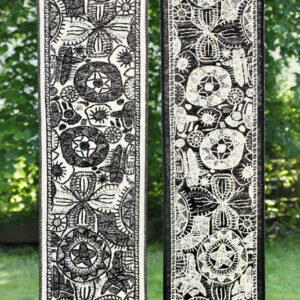
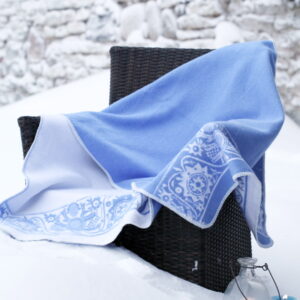
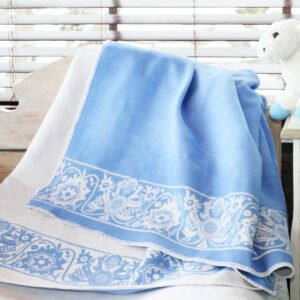
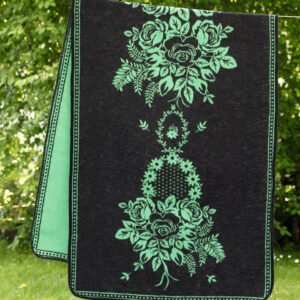
Dimensions 70 x 180 cm 100% cotton In North Estonia, flower pattern was dominant in the first half of the 19th century.It seems strange how colourful, manifold and rich is the art of embroidery in the small territory of Estonia. A good example is the Jõelähtme sleeve pattern used on North Estonian scarf - its pattern is peculiar and diverse.Wrap was being worn lengthways on one’s back; the corners were secured on the breast with a brooch or yarn. The tradition of wearing wraps remained until the beginning of the 19th century.
-
Dimensions 140 x 180 cm
100% cotton
In North Estonia, flower pattern was dominant in the first half of the 19th century.It seems strange how colourful, manifold and rich is the art of embroidery in the small territory of Estonia. A good example is the Jõelähtme sleeve pattern used on North Estonian scarf - its pattern is peculiar and diverse.Wrap was being worn lengthways on one’s back; the corners were secured on the breast with a brooch or yarn. The tradition of wearing wraps remained until the beginning of the 19th century.
-
Dimensions 66 x 180 cm
70% cotton, 30% flax
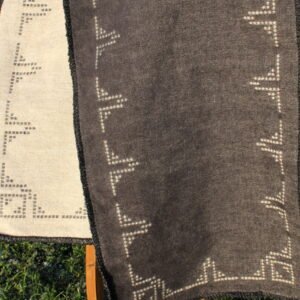
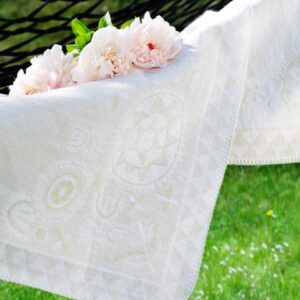
In South Estonia, festive woollen rectangle wrap, worn across one’s shoulders, was the most respectable garment. In Põltsamaa, even on the 19th century oblong woollen shawls were worn. White shawl was decorated by using archaic techniques and patterns that had a deep meaning. South Estonian scarf is inspired by the shoulder piece of the Põltsamaa shirt where the pattern has been built up to form an ornament of diagonal cross and a quadrangle. That, in fact, is one of the oldest principles of composition. One of the characteristics of South Estonian handicraft is geometrical embroidery common in the late 18th century. White linen yarn was often used for that. Wrap had a specific role in the Jõgeva County wedding customs. When the bride was brought into the home of the bridegroom, her mother-in-law tied the wrap around the bride's head, covering the eyes as well.
-
Dimensions 70 x 200 cm
100% cotton
-
-
Size 35x200
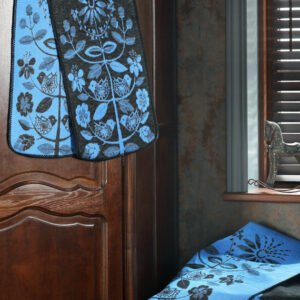
What makes the Western Estonian shawl, traditionally called scarf, beautiful is its family tree motif that according to ancient traditions signifies happiness and the fulfilment wishes for a family. These are stories and patterns through which Ellu shawls celebrate a joyous occasion for our common home – the 100th independence day of the Republic of Estonia.
The Western Estonian scarf draws its power and beauty from the family tree motif, widely cherished in Lääne County, the Western part of Estonia. This is the most widely used decoration for wedding blankets, however, its style varied from region to region. In the Lääne County, weavers used a special local technique and the tree was true to life and easily recognisable. On the island of Muhu , the wedding blankets woven at the end of the 19th century and the beginning of the 20th century were decorated using cross-stitching instead and the embroidery was very rich and expressive, fairy tale-like.
The betrothed in Muhu embroidered motifs resembling trees into their blankets, decorated with multicolour leaves, songbirds, lush blooms and fruits. The hope was that these images would bring the family happiness and that all their wishes would come true. The artisans of that time especially favoured patterns featuring plants of various sorts, however, they also appreciated geometric lines. The tree motif can certainly be considered as the predecessor of the flower motif. To make sure even further that dreams would come true, the weavers decorated the top of the family tree with an octagram, a feature characteristic to Estonian folk patterns.
Throughout history, the tree has been a widely used ornamental feature around the world. In handicraft arts, it has had powerful names such as the world tree, the tree of life and the tree of wishes. Estonians are a settled people that love their homeland, so this image has an additional significance – it reminds us of the ancient trees in the gardens of our farms and tells the tale of a heritage passed from generation to generation.
Let this scarf and its family tree motif be a beautiful gift to all of us and remind us of what significant times we live in, and how important it is to protect our country and give each other gifts that bring good luck.
The tradition of wearing shawls to cover shoulders goes back a long way. This shawl called scarf used
to be considered the most valuable part of a traditional set of clothes, and it was mostly worn on special occasions. In cold weather, the scarf was worn to church or to go visit someone, but in warmer periods the scarf was worn looser, on the arms, to give a woman’s appearance that special celebratory note. Compared to other items of clothing, making a scarf required much more skill. Therefore, these shawls were cared for especially well and passed down from generation to generation, as were the skills used to make them.
+ Näita rohkem